
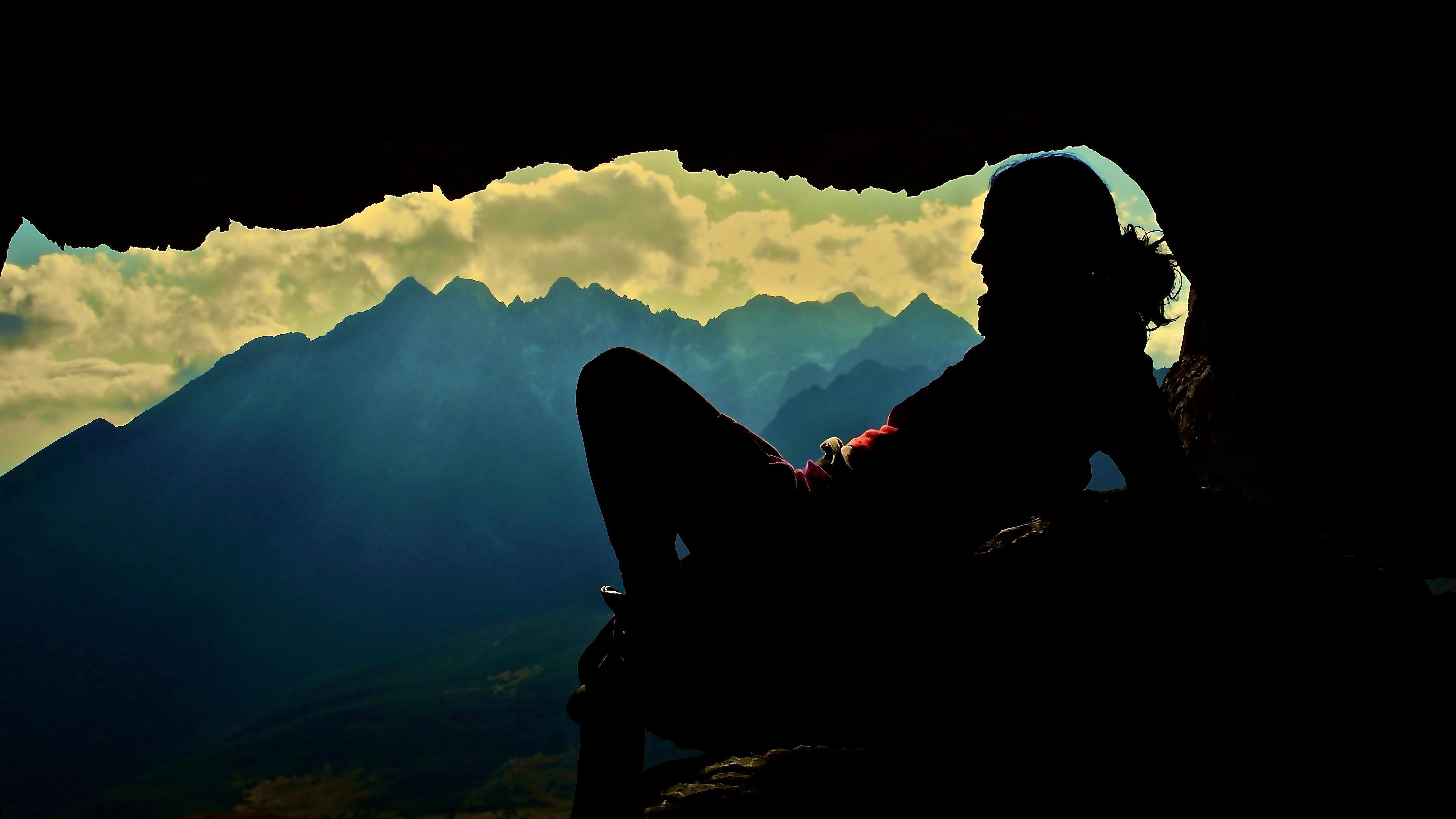
An outdoor holiday in Slovakia
Slovakia and the Tatras are still undiscovered by the world. Even though every so often someone ranks us among the most interesting places out there - Lonely Planet's "Best in Travel" for 2013, 2019, or 2025, for instance - the world still knows very little about us. And that has its big advantages too, which can be especially enjoyed by those who take the plunge and visit Slovakia.
Ten reasons why it's worth visiting Slovakia:
1. A beautiful landscape
Slovakia is a remarkably varied and colourful country, dominated by mountains. They cover about 60% of the territory, and by forest area alone they rank Slovakia fourth in Europe. The three peaks on the national coat of arms symbolize three mountain ranges. The best known of Slovakia's mountains are the Tatras - a genuine high-mountain range, and the highest mountains in the entire Carpathian arc. Aside from a small part - less than a quarter of their total area - the whole of the Tatras lies within Slovakia. Slovakia is also home to all 30 of the highest Tatra peaks (above 2,500 metres), every permanently glaciated valley, and the largest valleys facing every point of the compass. But Slovakia is definitely not just mountains - you'll also find beautiful lakes and rivers of every kind here, from the EU's longest river, the Danube, to fierce mountain torrents like the Belá.
The Tatras are unquestionably one of the most beautiful ski mountaineering destinations in the world. For climbers, meanwhile, Slovakia's tiny area holds unique climbing areas in granite, limestone, travertine, andesite, conglomerate, quartzite, sandstone, and gneiss. Every style can be climbed here. A guidebook from as far back as 1978 already listed 150 crags. Our climbing tradition dates back to the mid-19th century, and today we have tens of thousands of climbing routes.
2. Unique flora and fauna
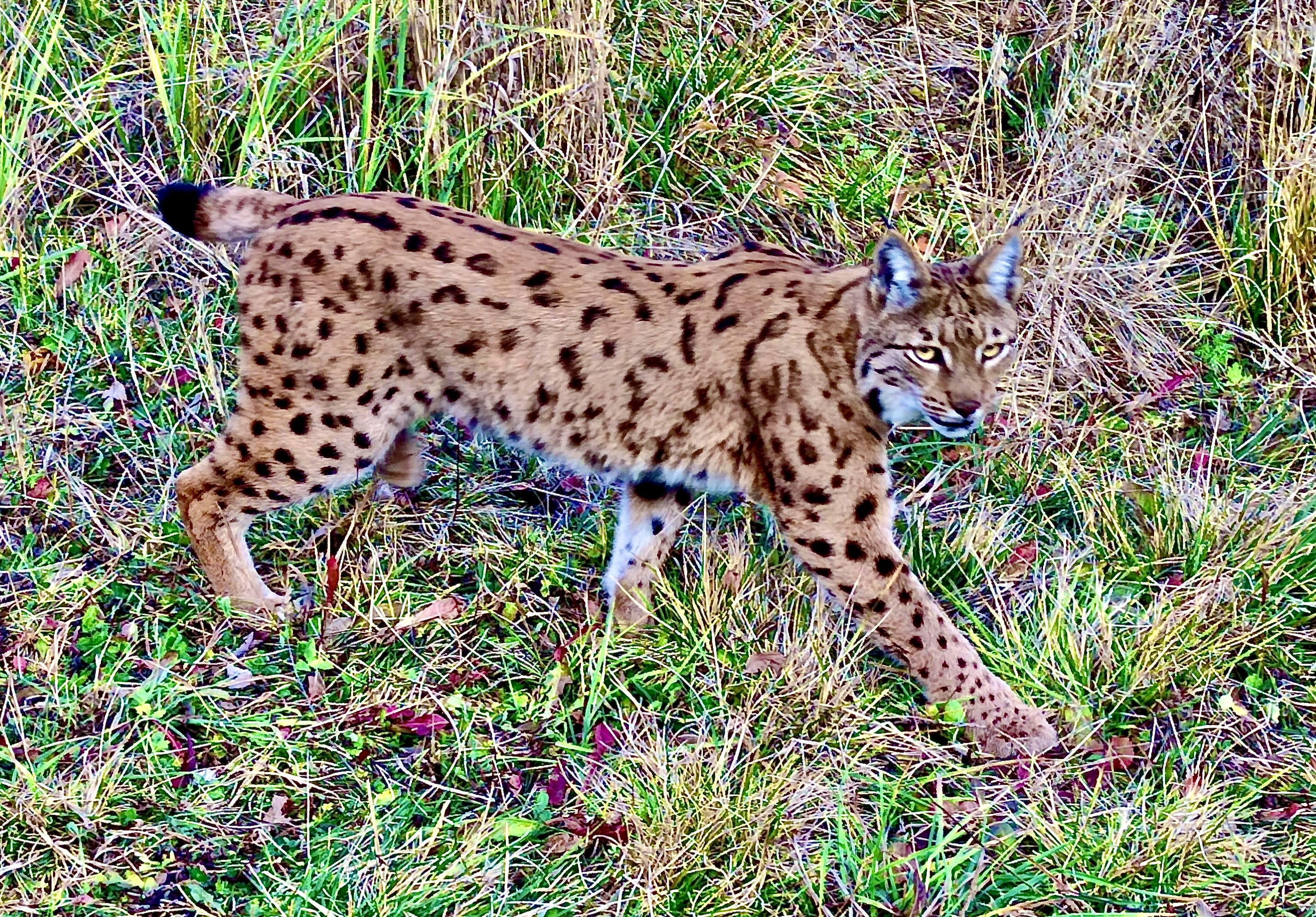
Slovakia is also known for its high number of animal species that are rare or entirely absent elsewhere in Europe, such as bears, wolves, lynx, or eagles. Several species, such as the Tatra chamois, are found here and nowhere else. Much the same is true of the plant life, which is why the Tatras are a true gem of the Carpathian arc, listed as a UNESCO biosphere reserve. Part of this flora is also very tasty - try real wild strawberries, raspberries, blueberries, blackberries, cranberries, or, in the lowlands, mulberries.
3. Thermal springs of prehistoric seas
By the volume, yield, and chemical composition of its waters, Slovakia ranks among the most significant countries in the world. Mineral springs here range in temperature from 5° to 92° Celsius. After an adventurous effort, there's a huge choice for recovery in the waters of prehistoric seas - from small, freely accessible natural springs to fun at the largest and most technically advanced aquaparks in Central Europe.
4. The real geographic centre of Europe
The geographic centre of Europe, located near Krahule in central Slovakia, was calculated long ago by Austrian and Italian cartographers. You're welcome to doubt it - we won't argue with anyone about it. Plenty of countries compete for the title of the centre of Europe. But if you start searching the internet on this topic, or open a geography atlas, you'll find that Slovakia is practically surrounded by "centres" of Europe. So take your pick - but as they say, the truth tends to lie somewhere in the middle.
5. Cradle of Slavic culture
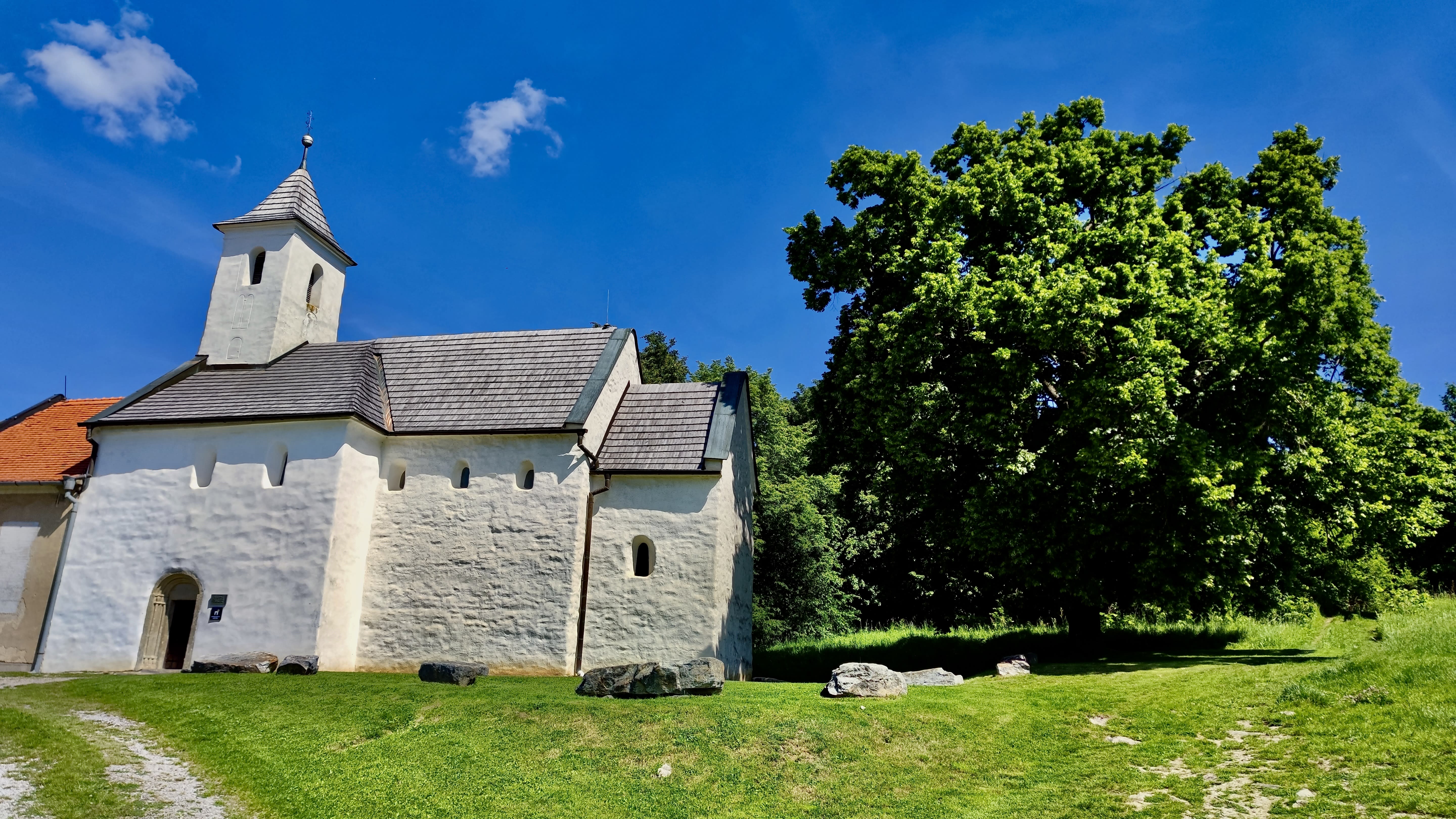
The double cross on the tallest peak of the national coat of arms symbolizes a Christian land sitting at a cultural and historical crossroads of Europe. Slovakia is a land that, for millennia, cultures at various stages of development tried and failed to conquer, from the west and the east as well as the north and south. Ancient traces of the Celts, Romans, Germanic tribes, Avars, Franks, Tatars, Magyars, and Turks, or the more recent traces of the Nazis and Communists, are all still recognizable here. Slovakia is the cradle of culture for all of today's Slavic states of Central Europe. Old Slavonic was the fourth official liturgical language. The Glagolitic script, the writing system of the ancient Slovaks, is the oldest Slavic script of all - in modernized form it's still used by almost 200 million people today. In Slovakia you can still pray today in churches built in the ninth century.
6. Ancient towns with a magical atmosphere and mysterious castles
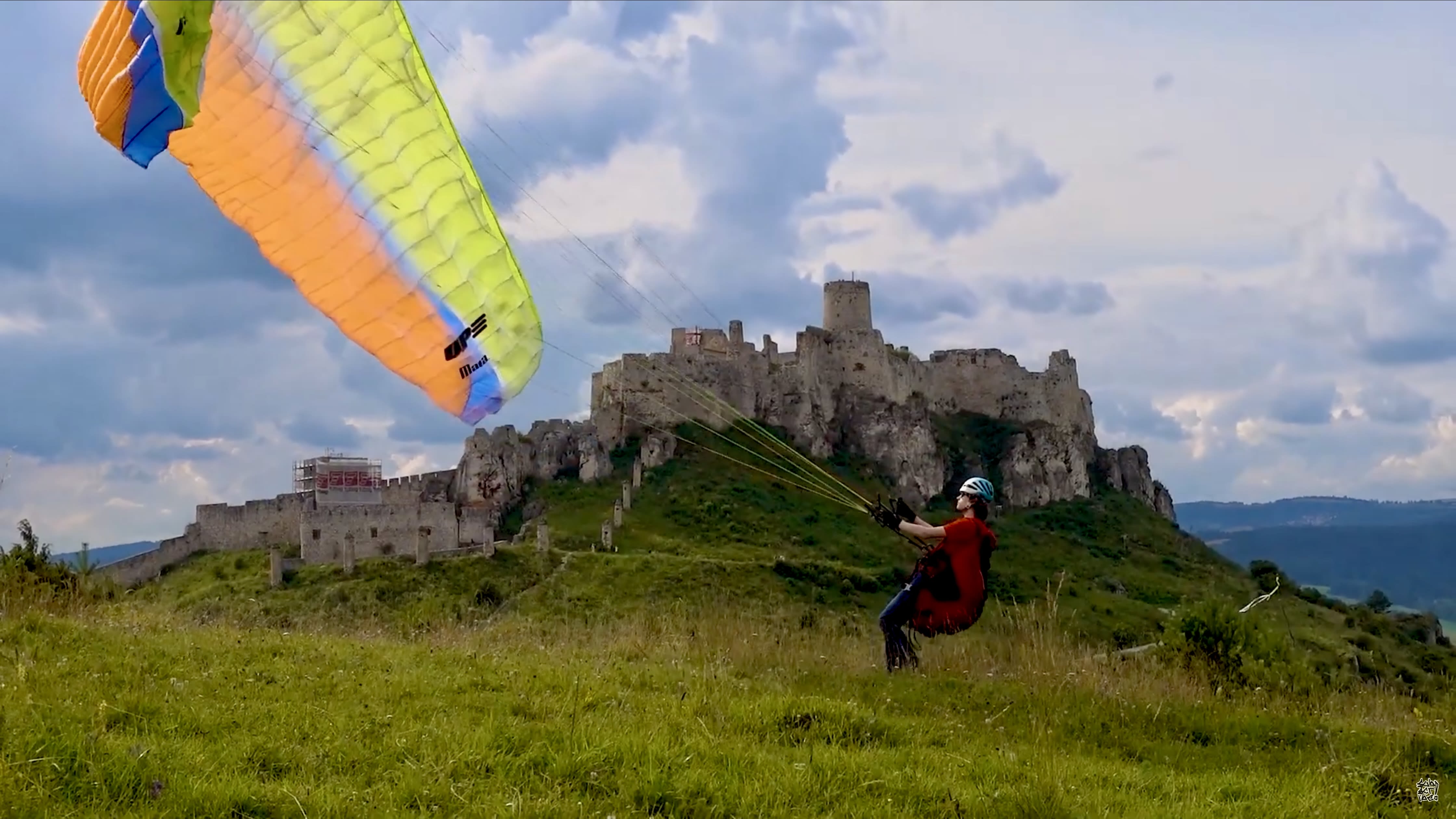
You won't find any real big cities in Slovakia. Even Bratislava - a city where, over time since the famous King Svätopluk, eighteen kings and queens were crowned - has, skyscrapers and all, a pleasant, intimate character. Slovakia's most beautiful towns, several of them listed as UNESCO World Heritage sites, are tucked away in the mountains or beneath them. Banská Štiavnica, with Europe's oldest technical university and 24 lakes, is a living memory of the era when Slovakia was by far the world's largest producer of gold. The oldest mint still operating in the world, meanwhile, can be found nearby in Kremnica - the pounding of its coining machines hasn't gone quiet since 1328, and today's euro coins come from there too. In Levoča you can see a Gothic winged altarpiece taller than any you'll find anywhere else, and in Kežmarok the costume of the first female tourist in the High Tatras. The birthplace of Slovakia's only queen, meanwhile, can be found in Spišská Sobota. The European Capital of Culture for 2013 was the metropolis of eastern Slovakia, Košice. On top of all that, there are still more than 700 mysterious castles and chateaus.
7. Authentic and hospitable people
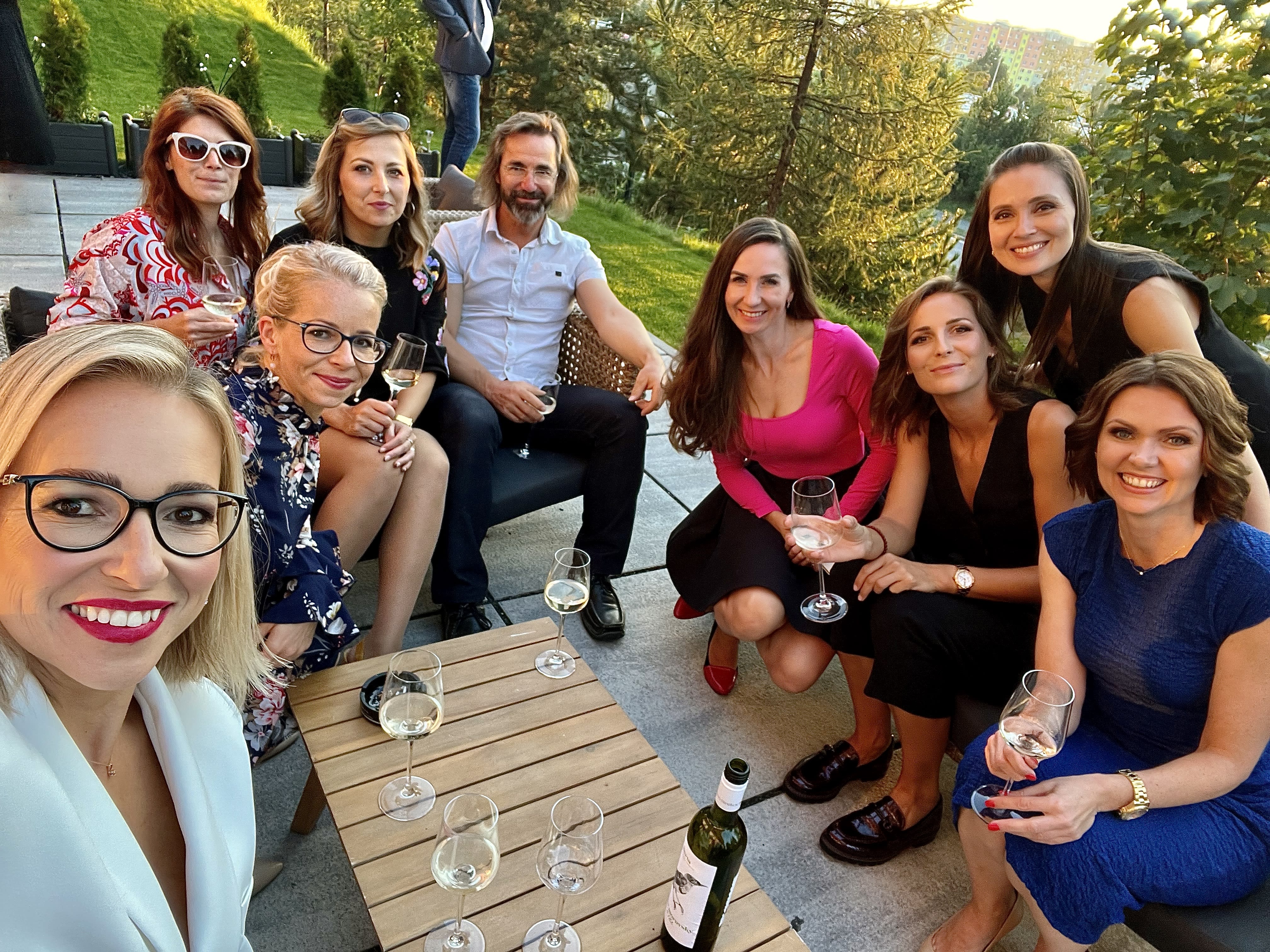
Most Slovak men are convinced that Slovak women are the most beautiful women in the world. That's just their subjective take, since fortunately there are plenty of beautiful people all over the planet. Even so, we're confident that on a visit to Slovakia you'll be surprised by the low number of obese people and by the diversity of beauty within the local population.
An old Slovak proverb says: "A guest in the house is God in the house." Hospitality is characteristic of Slovaks, and fortunately hasn't entirely disappeared under the influence of globalization just yet. We admit that the professional smile shows up less often in Slovakia than in the United States or Western Europe - but if someone smiles at you in Slovakia, make no mistake, it's probably because they genuinely like you.
8. Excellent cuisine and a wide range of quality alcohol
The so-called must-try dishes on a visit to Slovakia should be demikát (goose soup), cabbage soup with sausage, bryndza dumplings (halušky), or goose with lokša flatbread. But those aren't the only excellent dishes of the local cuisine you can try here. Our advice: eat the local food - you can get McDonald's back home too. You'll have just as hard a choice among the alcoholic drinks. Slovak wineries also grow varieties you usually don't get the chance to taste anywhere else in the world, and their wines pick up numerous awards at international competitions. Be sure to try Breslava, Devín, Dunaj, or Hron. The spirits are also well known - watch out, fruit brandies here are usually 52% alcohol, their smoothness achieved through years of aging. Try slivovica (plum brandy) and borovička (juniper brandy); among the herbal liqueurs we recommend Demänovka or Horec. The Karpatské Brany Špeciál brandy won't disappoint even the most demanding connoisseurs. Beer is of course very popular too, and there are plenty of good local brands - our tip is Urpiner and Steiger. Also treat yourself to the output of small breweries, such as Nilio. Eat and drink with relish - food scandals and adulterated alcohol haven't been an issue in Slovakia.
9. Quality infrastructure and a safe environment
The entire Slovak part of the Tatras is characterized by good infrastructure - highways, railway lines, and other mountain transport systems built to a high European standard. Slovakia is also unique in that children, pupils, students, and pensioners over 62 from EU countries travel by train completely free. Where else in the world will you find better conditions for a low-carbon-footprint holiday? On top of that, of course, you can also fly in - Ryanair and Wizz Air operate a regular London-Poprad/Tatry route, the highest-altitude commercial airport in Central Europe. There's also good flight access to us from Košice, Kraków, Bratislava, Vienna, and Prague.
Slovakia is a safe country in every respect. If you respect our rules, everyone will respect yours too.
10. Muraria - LAND OF INSPIRATION
By now you may already be starting to suspect that we really are a unique organization. You have the chance to meet us in person. Our website helps plan a climbing or ski mountaineering holiday, not only in Slovakia, but in other amazing places around the planet too. It holds a lot of information that saves both time and money, and increases safety in the mountains. You can manage it on your own. Making this idea of ours work - making the mountains as accessible as possible to everyone - takes considerable effort and resources. Support us with any amount, for example out of what you've saved thanks to us, or make use of our services instead. If you follow our itineraries, or climb our routes, you'll understand us all the better. And as one of our sayings goes: "A poor man lacks a lot, but a greedy man lacks everything."
This page has been translated using AI and may contain errors.